A mattress topper is a thin, supportive layer placed on top of an existing mattress to enhance comfort, regulate temperature, and extend the mattress lifespan. In the mattress topper category, materials like memory foam, latex, and natural fibers influence contouring, pressure relief, and breathability. Understanding these materials helps determine suitability for different sleep preferences and health considerations, including allergy-friendly options.
When evaluating toppers, consider density, thickness, and cover materials, as these factors affect resilience, durability, and ease of care. A higher density foam tends to offer better support and shape recovery, while natural or organic materials may appeal to environmentally conscious sleepers. Proper fit against the mattress edge reduces unwanted shifting and enhances overall stability.
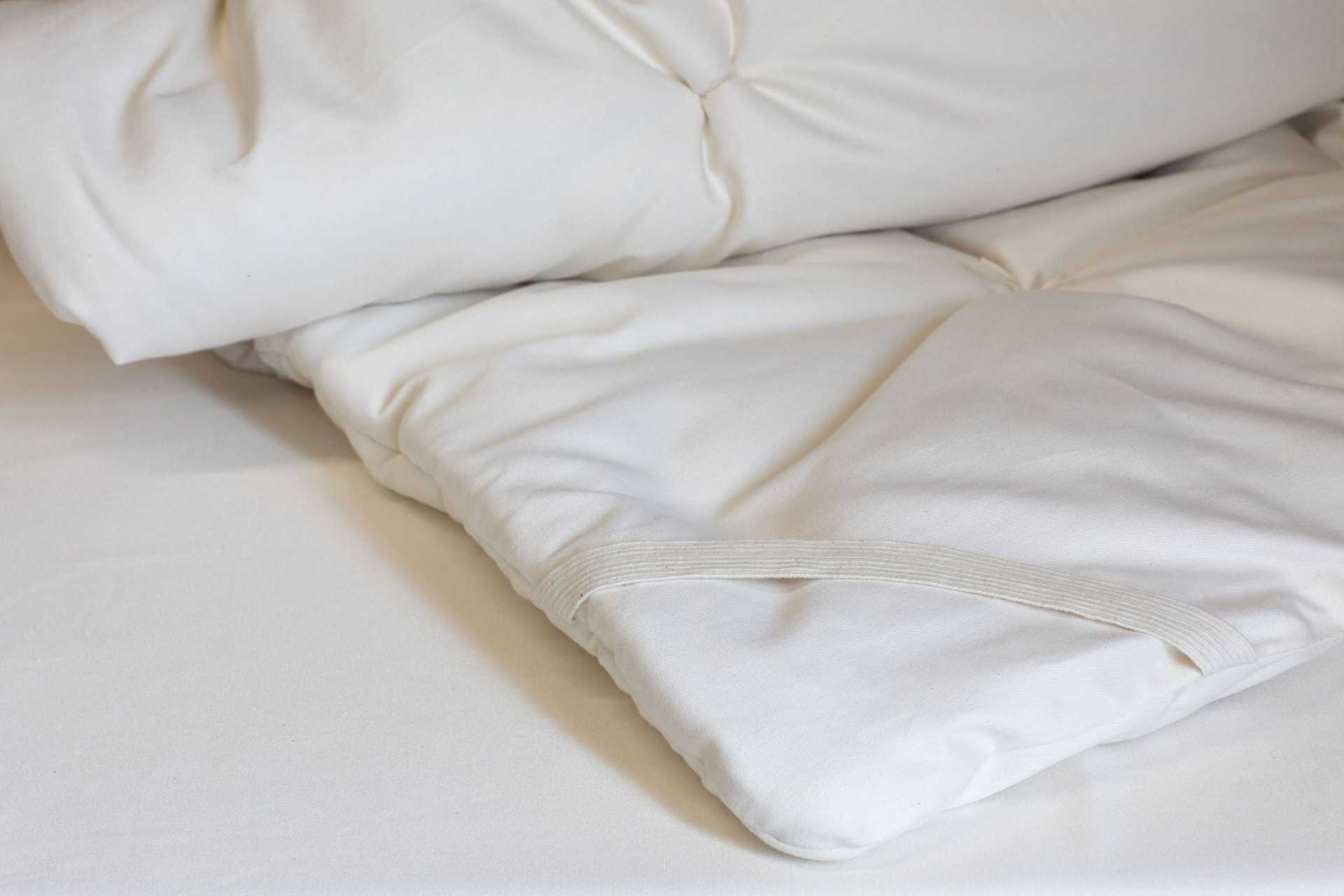
For families and caregivers, the Natural Child's Crib Mattress Topper demonstrates how toppers can improve crib safety and comfort. Features typically include non-toxic materials, breathable covers, and secure attachment methods to minimize movement. Functional benefits encompass improved spinal alignment for growing children and a softer surface for transitional sleep routines.
Topper selection should align with existing bed setups and personal needs, such as temperature regulation, support level, and ease of cleaning. Breathable fabrics and removable, washable covers contribute to a healthier sleeping environment by reducing moisture buildup and maintaining hygiene over time. Educational notes on care instructions aid long-term performance.
In the broader bedding context, a mattress topper complements pillows, sheets, and organic bedding to create a cohesive sleeping system. Meticulous material choice and proper topping thickness support restful sleep, while compatibility with organic mattresses and organic crib mattresses ensures alignment with sustainable sleep practices and health-focused design considerations.
 Bedding